Mattress toppers are now a must-have for many UK homes because they add comfort and make mattresses last longer. But one question that comes up a lot is whether these soft additions can be washed and, if so, how do you do wash them without ruining them.
Yes, you can wash a mattress topper, but the way you do it depends on what it’s made of. Washing your mattress topper keeps it clean, helps get rid of dust mites and allergens, and make sure it stays comfortable for years to come. But if you don’t wash it correctly, you could ruin the topper completely, so it’s important to know how to clean different types of materials.
Which Mattress Toppers Are Machine Washable?
Generally, you should only wash mattress toppers that specifically state they are machine washable. These typically include cotton toppers, polyester toppers, and some down or feather toppers. Before you try washing your topper, you should check the care label. Manufacturers give important washing instructions that are specific to the material.
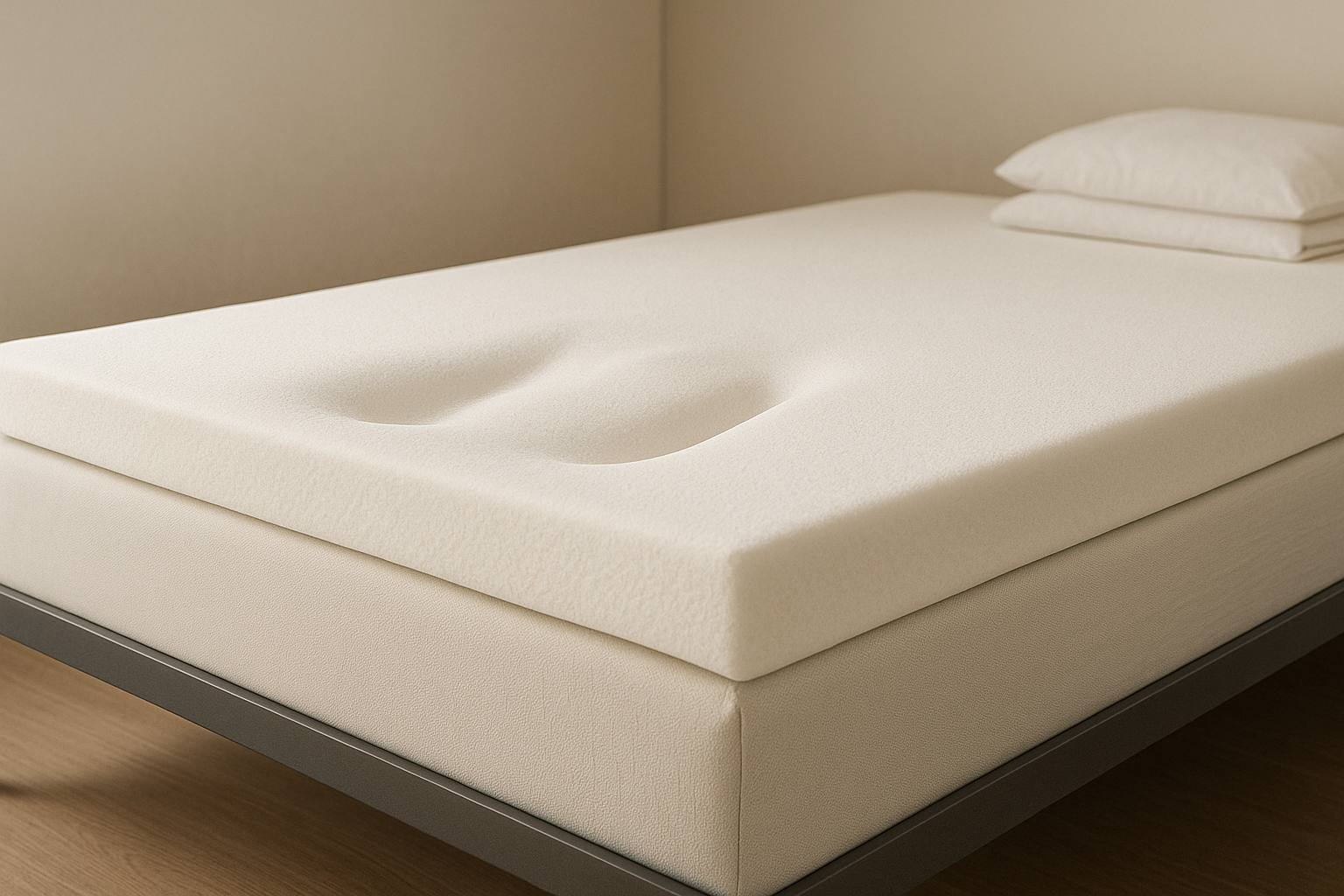
Memory foam and latex toppers are hard to clean and usually can’t be machine washed. Foam mattresses are made from materials that are not machine washable, because they are not able to withstand machine agitation. It is also difficult to remove the moisture, so they are highly susceptible to mold and mildew because the moisture is trapped. For foam toppers, spot cleaning is the recommended approach to avoid structural damage and the risk of mould growth.
The size of your washing machine drum is also something that UK households need to think about. King-size or larger toppers are typically too bulky to fit inside standard domestic washing machines and should be spot cleaned by hand instead. Trying to force an oversized topper into your machine could result in expensive damage to both the topper and the appliance.
How to Machine Wash a Mattress Topper
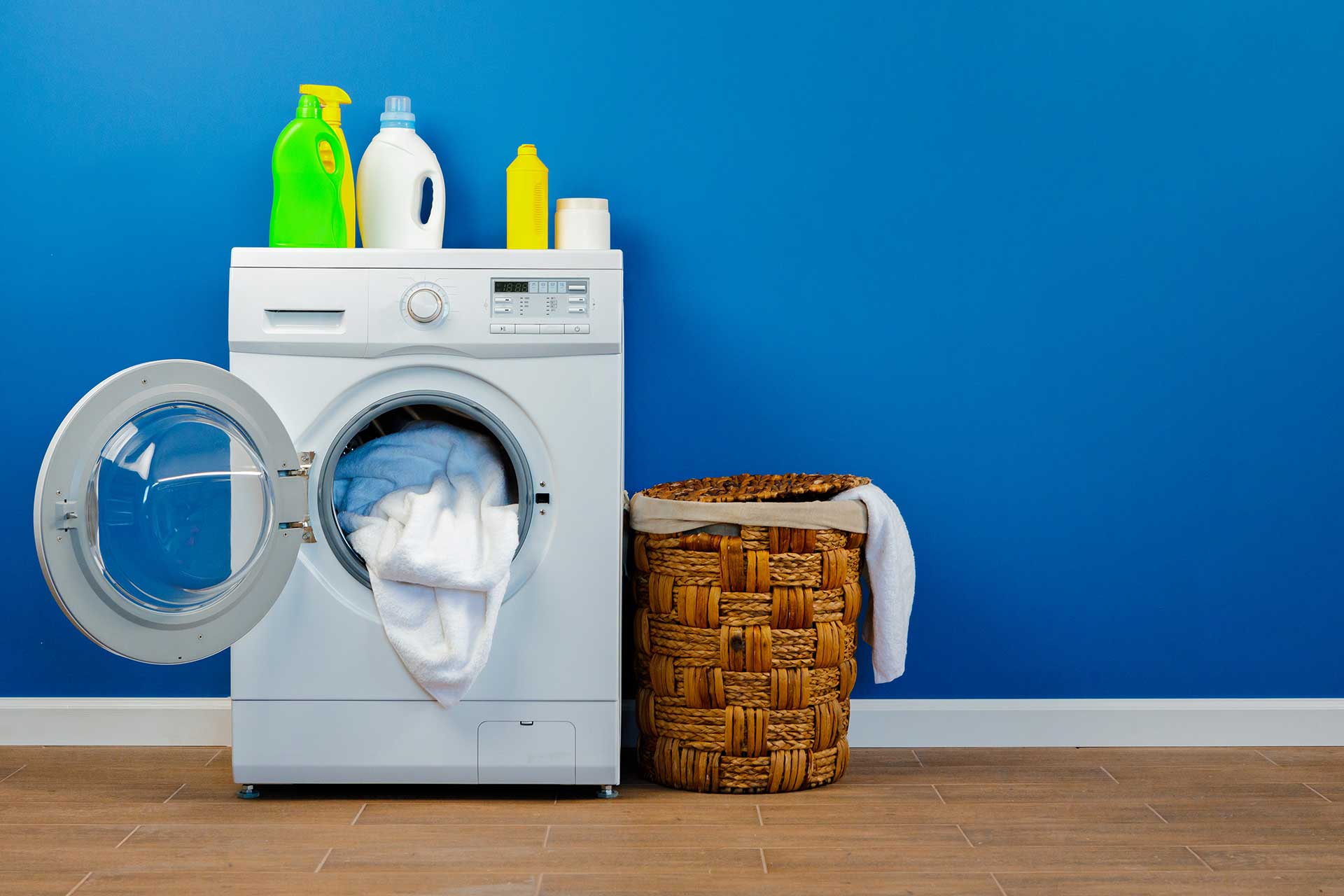
If you want to wash your toppers in the machine, make sure you follow the right steps to get them clean without hurting them. Take the topper off your bed and shake it gently to get rid of any loose dirt, like dust and crumbs. If you notice any stains, pre-treat these areas by applying a small amount of mild laundry detergent directly to the affected spots and allowing it to sit for a few minutes before washing.
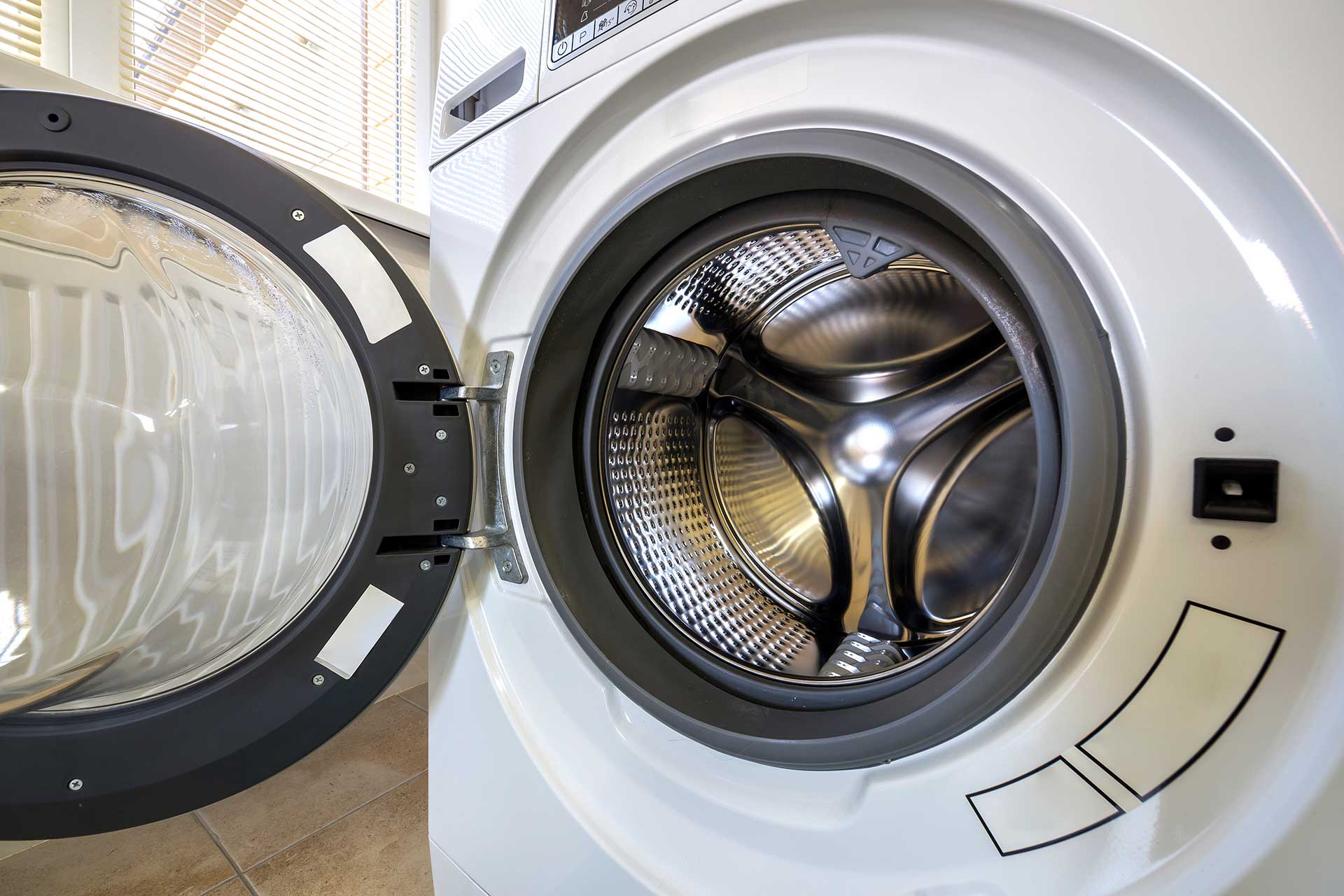
Place the topper in a large front-loading washing machine, but don’t overcrowd the drum, as this prevents proper cleaning. Select a gentle cycle with cold water and add a small amount of mild laundry detergent. For vinyl-backed mattress toppers, which are often machine washable, use warm or cold water on a gentle cycle with mild detergent. Avoid using harsh chemicals or bleach as these can damage the material. Let the machine finish both the wash and rinse cycles to make sure all of the detergent is completely gone.
The care instructions will tell you how to dry the item after washing. Some toppers can be tumble dried on low heat, but high heat can damage materials like vinyl. The safest way to dry most toppers is to hang them outside on a clothesline or put them on a big, clean surface. If air-drying flat, remember to flip the topper occasionally to ensure even drying.
Spot Cleaning: The Safer Alternative
For toppers that cannot be machine washed, spot cleaning is the most effective maintenance method. This method is especially important for memory foam toppers, which should never be soaked or exposed to too much moisture. The first step in spot cleaning is to use an upholstery attachment to vacuum both sides of the topper to get rid of hair, dust, and other debris.
Mixing lukewarm water with a small amount of laundry detergent makes a mild cleaning solution that helps with stains. With a damp sponge or cloth, lightly dab at the stain without soaking the topper. A cleaning solution of baking soda and white distilled vinegar works for almost all types of stains. For fresh spills, first blot the area dry with a clean towel. Don’t rub or scrub too hard, as this can push the stain deeper into the material.
How you treat stains will depend on the type of stain you are dealing with. For blood stains, always use cold water rather than warm, as heat will set the stain permanently. Oil-based stains from lotions or food can be treated by sprinkling baking soda on the affected area to absorb the oils. Leave the baking soda on the stain for 20 minutes, then vacuum it up before applying a dish soap and hot water mixture.
Deodorising Your Mattress Topper
Regular deodorising keeps your topper smelling fresh and gets rid of odours that have been trapped by sweat and body oils. Baking soda is one of the best natural deodorisers for mattress toppers. Simply sprinkle a thin, even layer across the entire surface of the topper. For deeper odour removal, gently work it into the material with a soft brush.
Allow the baking soda to remain on the topper for at least six to eight hours, though leaving it for a full day gives you the best results. During this time, the baking soda absorbs the funky smells and moisture. After enough time has passed, thoroughly vacuum all the baking soda from the topper using an upholstery attachment. For an extra freshness boost, you can add a few drops of essential oil to the baking soda before application, or use a scented linen spray after cleaning.
How Often Should You Wash Your Mattress Topper?
UK bedding manufacturers recommend washing mattress toppers and protectors every six months. But how often you do it may depend on your own situation and how you use it. If you tend to get too hot at night, share your bed with pets, or have allergies, you may benefit from more frequent cleaning. Spot cleaning should be performed as needed whenever spills or stains occur, ideally treating them immediately before they set.
Regular maintenance helps your topper last longer between deep cleans. This includes vacuuming both sides once a month to get rid of dust and dead skin cells, turning the topper every few months to make sure it wears evenly, and pulling back the duvet every day to let moisture from night sweats evaporate. Putting a machine-washable mattress protector on top of your topper adds another layer of protection against stains and spills, which makes it easier to keep clean.