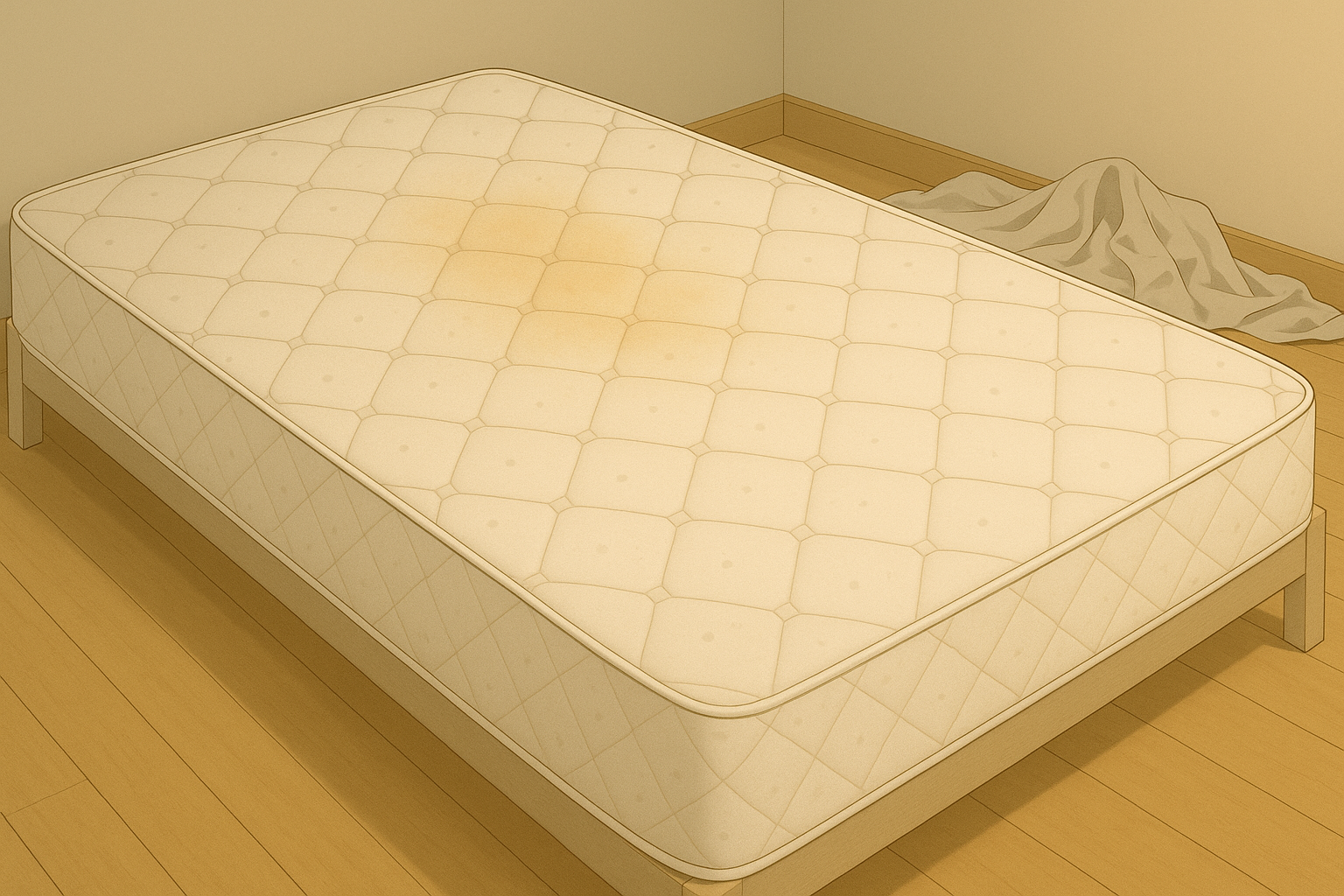
Accidents happen, and when blood or urine stains show up on your mattress, acting quickly makes all the difference when it comes to getting rid of them. Whether dealing with period blood, nosebleeds, bedwetting incidents, or other mishaps, UK households can successfully get rid of these tough stains using common household items as long as they are using the right method.
Understanding the Basics of Mattress Stain Removal
The golden rule for removing blood from any fabric, including mattresses, is to always use cold water rather than warm or hot water. When blood proteins get hot, they stick to the fibres of the mattress, making the stain almost impossible to get rid of. The same principle applies to urine stains—cold water prevents the stain from becoming embedded deeper into the mattress while helping to break down the chemicals that cause the colour and smell.
The NHS says that when cleaning up blood and body fluid spills, you should wear disposable gloves and cover any cuts or scrapes to protect yourself from possible infections. These NHS guidelines are designed for care settings, but the same rules also apply to cleaning at home.
Immediate Action Steps
When dealing with mattress stains, speed is important. As soon as you see the stain, strip off all the bedding and wash the soiled sheets to prevent the stain from setting. To clean the mattress, use clean white cloths or absorbent paper towels to gently blot the area. Never rub or scrub, as this pushes the liquid deeper into the mattress. Before you start cleaning, put firm but gentle pressure on the area to soak up as much water as you can.
If dealing with fresh urine, you can get rid of a lot of liquid through blotting alone. Once you’ve soaked up as much liquid as you can, dampen a clean cloth with cold water and continue blotting to dilute what remains. For blood stains, this cold water blotting stage helps to soften any dried blood and lift the initial layer of staining.
Effective Cleaning Solutions for Blood Stains
Hydrogen peroxide is one of the most effective ingredients for removing blood from mattresses, as it breaks down blood proteins at a chemical level. Mix 60g of cornflour, 60ml of hydrogen peroxide (3% concentration, available from most UK supermarkets and pharmacies) and one tablespoon of salt to make a paste that will get rid of blood stains. This thick paste should stay on the and should not spread to other areas.
Generously apply the paste to the blood stain and let it to sit for around 30 minutes. The hydrogen peroxide will fizz as it works to dissolve the blood proteins. After the 30 minutes, use a soft-bristled brush such as an old toothbrush to gently scrub the area, working from the outside of the stain inward to prevent any spreading. After you scrub, use a clean, damp cloth and cold water to wipe away the paste.
For stubborn or set-in blood stains, you may need to repeat this process several times. Another way to do it is to mix one tablespoon of dish soap with two tablespoons of hydrogen peroxide. This makes a liquid solution instead of a paste. This can be applied with a spray bottle or clean cloth, left for 10-15 minutes, then blotted away.
Natural Alternatives for Blood Removal
If you prefer not to use hydrogen peroxide, there are a few other natural options you can try. A baking soda paste made with cold water can be spread over blood stains and left for 30 minutes before gentle scrubbing. Baking soda works as a natural cleaning agent and a deodoriser, but you may need to use it more than hydrogen peroxide on areas that are very dirty.
Another choice is to mix two tablespoons of salt with one cup of cold water. This creates a solution that helps soak up and lift away any blood. Apply this mixture to the stain, allow it to sit for about 10-15 minutes, then blot thoroughly with clean towels. The salt pulls water out of the stain while the cold water keeps breaking down the blood proteins.
Tackling Urine Stains and Odours
What is the most effective way to remove urine from a mattress? Mixing equal parts distilled white vinegar and water in a spray bottle with 1-2 tablespoons of laundry detergent makes an effective cleaning solution. After soaking up the extra urine, spray this mixture all over the affected areas and let it sit for 15 minutes so the stain can break down. Then, use clean towels to blot the area again.
After you treat the area with vinegar, cover it with a thick layer of baking soda and leave it alone for at least 8 hours, or overnight if you can. The baking soda soaks up any remaining moisture from deep within the mattress while neutralising any ammonia-based odours that cause that urine smell. After at least 8 hours, vacuum up all baking soda residue.
For particularly stubborn urine stains, hydrogen peroxide is another approach you can try. Mix one cup of hydrogen peroxide, three tablespoons of baking soda and a few drops of dish soap in a spray bottle. Spray just enough solution to dampen the stain and allow the area to air dry completely. The baking soda will form a residue as it dries, which you then vacuum away once the area is fully dry. Multiple treatments may be necessary for deeply set stains.
Drying Your Mattress Properly
Properly drying your mattress is the only way to prevent mould and mildew growth, which happens faster than you think thanks to the UK’s humid climate. After treating the stains, use clean towels to absorb as much water as possible from the cleaned area. You can put towels over the damp section and press down gently to draw out any excess water.
Put the mattress near an open window or use a fan to help the air circulate and speed up the drying process. Don’t use a hair dryer or any other heat source, because too much heat can bend the fibres in the mattress and hurt the materials inside. Before putting new bedding on the mattress, it needs to be completely dry. This typically takes 18-24 hours for deep cleaning. If possible, prop the mattress up on its side to allow air to circulate around all surfaces.